
The clock on the pediatric intensive care unit wall read 2:14 a.m.
Outside the hospital, the city slept beneath a blanket of rain.
Inside Room 16, nobody even noticed the weather anymore.
For nearly eighteen months, the Morgan family had lived in a world measured by heart monitors, medication schedules, laboratory reports, and quiet prayers whispered through sleepless nights.
Tonight felt different.
Not because anyone expected a miracle.
But because every person in the room understood that some nights become turning points, even if nobody knows which direction they will lead.
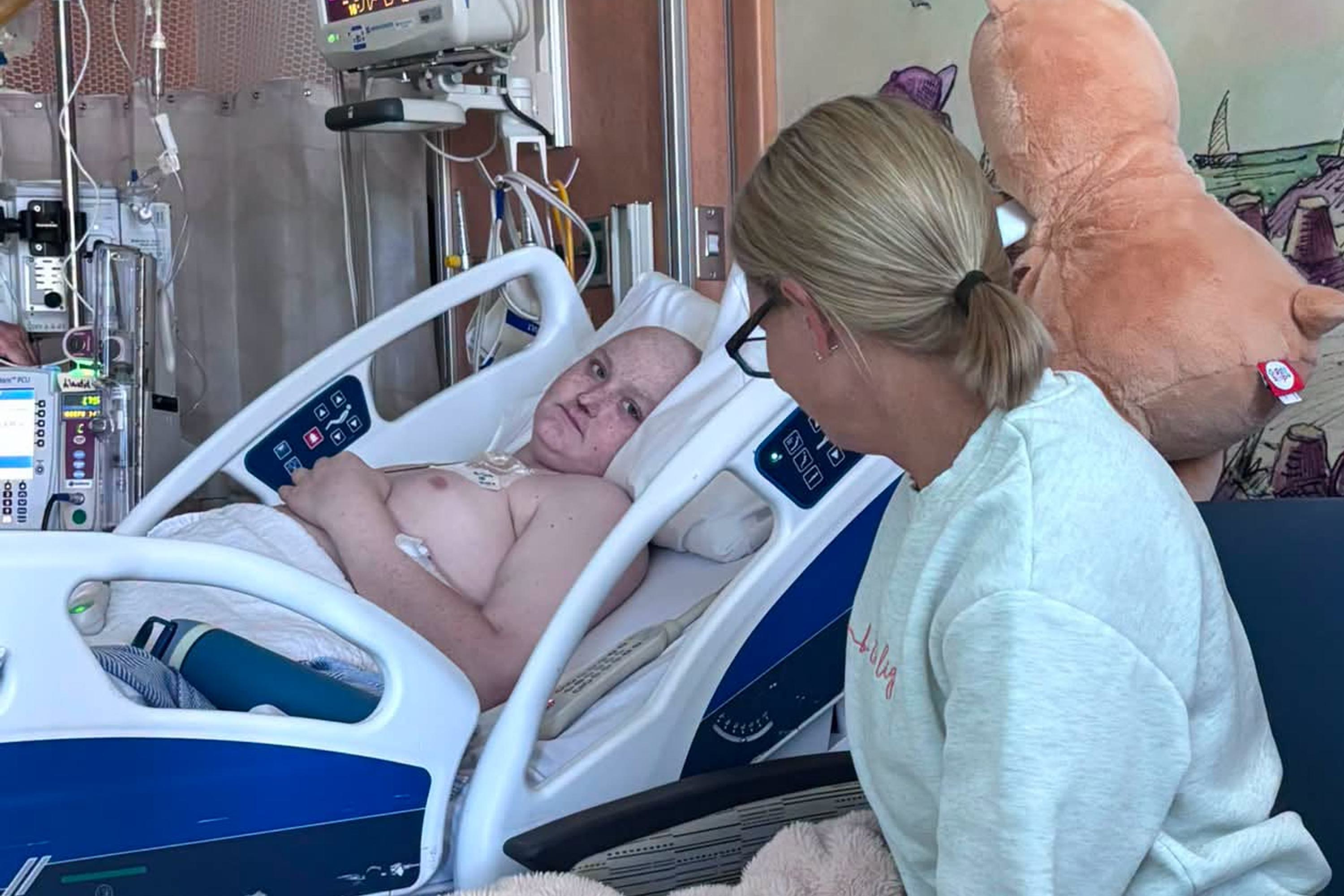
Sixteen-year-old Caleb Morgan lay quietly beneath warm blankets, his breathing shallow after another difficult day.
His parents remained exactly where they had been for hours.
His father sat beside the bed with one hand resting gently on Caleb’s shoulder.
His mother quietly brushed his hair away from his forehead, just as she had done since he was a little boy.
Neither spoke.
Love had become something expressed through presence rather than words.
Eighteen Months Earlier
Before illness entered their lives, Caleb’s biggest concern had been making the varsity baseball team.
His bedroom walls displayed photographs from family camping trips, school science projects, and fishing weekends with his grandfather.
He dreamed about becoming an architect.
He loved sketching buildings in spiral notebooks.
He argued with his younger sister over whose turn it was to wash the dishes.
Life was wonderfully ordinary.
Then everything changed.
A diagnosis interrupted those ordinary plans.
Hospital appointments replaced school activities.
Birthdays were celebrated inside treatment rooms.
Graduation became something the family hoped to reach together.
The Night That Tested Everyone
Throughout the evening, Caleb struggled with increasing discomfort.
Doctors adjusted medications.
Nurses monitored him closely.
Specialists reviewed every new laboratory result with careful attention.
The atmosphere remained calm but focused.
Nobody rushed.
Nobody panicked.
Critical care medicine depends upon careful observation, thoughtful decisions, and teamwork.
Outside the room, other families experienced similar nights.
Some prayed quietly.
Some cried.
Some simply waited.
Hospitals become places where strangers silently understand one another without needing introductions.
Parents Who Refused to Leave
Friends repeatedly encouraged Michael and Sarah Morgan to get some rest.
They smiled politely.
Then remained exactly where they were.
How could they sleep when their son needed them?
Michael later admitted that he stopped counting the nights months earlier.
“There comes a point,” he said, “when you don’t think about tomorrow anymore.”
“You just stay.”
Sarah discovered something unexpected during those endless hours.
She could not control laboratory values.
She could not erase pain.
She could not predict what tomorrow would bring.
But she could make sure Caleb never opened his eyes to an empty room.
Sometimes that became enough.
Small Changes Matter
As morning gradually approached, the medical team continued making careful adjustments to Caleb’s treatment plan.
Hour by hour, they watched for signs that his condition might become more stable.
Late in the afternoon, one of the nurses noticed something encouraging.
Caleb’s breathing looked easier.
His shoulders seemed more relaxed.
His face no longer carried the same visible strain that had worried everyone throughout the night.
The physician reviewed the latest observations before turning toward the family.
“I think he’s a little more comfortable.”
The words were simple.
To Caleb’s parents, they felt enormous.
Hope rarely returns all at once.
Sometimes it arrives quietly.
A Promise
That evening, Caleb opened his eyes for several minutes.
His mother leaned closer.
“How are you feeling?”
He managed a tired smile.
“A little better.”
His father squeezed his hand.
“We’re proud of you.”
Caleb looked at both of them before speaking softly.
“When I get stronger…”
He paused to catch his breath.
“I want our first dinner together to be at home.”
No expensive restaurant.
No grand celebration.
Just dinner around the family table.
His mother laughed through tears.
“That’s a promise.”
“So is mine,” Caleb replied.
“I’ll keep fighting to get there.”
Nobody in the room forgot those words.
The Quiet Heroes
Families often remember physicians making difficult decisions.
They also remember countless ordinary acts of kindness.
The nurse who brought warm blankets without being asked.
The respiratory therapist who stayed a few extra minutes simply to explain what was happening.
The volunteer who left encouraging cards from local schoolchildren.
The cafeteria worker who remembered Michael always preferred tea over coffee.
Healing involves far more than medicine alone.
Compassion becomes part of treatment.
One Day at a Time

Recovery remained uncertain.
Some mornings brought encouraging progress.
Others required new adjustments.
The Morgans gradually stopped asking how many weeks remained.
Instead, they asked a different question.
“What does Caleb need today?”
That shift changed everything.
Tomorrow would arrive when it arrived.
Today deserved their complete attention.
Looking Beyond the Hospital
Months later, Caleb visited the pediatric ward to encourage newly diagnosed teenagers.
One young patient asked him whether he had ever wanted to give up.
Caleb thought carefully before answering.
“There were days I wanted everything to stop.”
“But I never wanted life to stop.”
“There’s a difference.”
The room became quiet.
“My parents taught me that hope isn’t pretending everything is okay.”
“It’s believing tomorrow is still worth reaching.”
Home
Eventually, the Morgan family gathered around their own dining room table again.
The meal itself wasn’t remarkable.
Soup.
Fresh bread.
Homemade pie.
The conversation, however, became one of the happiest evenings they could remember.
Caleb looked around the room.
“You know,” he smiled,
“This is the dinner I dreamed about.”
His mother reached across the table and held his hand.
Sometimes the greatest victories aren’t celebrated beneath bright lights.
Sometimes they’re found inside ordinary homes, surrounded by ordinary people who never stopped believing that another sunrise was worth waiting for.
Because love is measured not by the number of difficult nights a family endures.
It is measured by the quiet promise they keep making to one another through every one of those nights.
“We’ll face tomorrow.”
“Together.”