
A shocking accident in São Paulo has sparked national outrage after 21-year-old Maria Eduarda Rodrigues de Freitas died during what was supposed to be a supervised adventure activity.
According to investigators, Maria was participating in a rope-jumping event from a cliff when the tragedy occurred. Authorities allege that critical safety procedures may have been ignored, resulting in the young woman falling approximately 130 feet after reportedly not being properly connected to the required safety system.
The incident was captured on video, which investigators are now using as a key piece of evidence in the case. Officials say the footage appears to show confusion among staff members moments before the jump, raising serious questions about whether mandatory safety checks were completed before Maria was sent over the edge.
Emergency responders rushed to the scene following the fall, but Maria suffered catastrophic injuries and was later pronounced dead. News of the incident quickly spread across Brazil, triggering public anger and demands for accountability.
Police have now arrested six individuals connected to the operation as investigators attempt to determine exactly how such a devastating failure could occur during a commercial adventure activity. Authorities are reviewing equipment records, training certifications, communication logs, and operational procedures used by the organizers.
Prosecutors reportedly believe there is evidence suggesting multiple safety failures occurred before the jump. Investigators are particularly focused on whether staff members followed established protocols designed to ensure participants are securely attached before any activity begins.
The tragedy has reignited national debate about safety oversight within Brazil’s adventure tourism industry. Experts note that rope-jumping and bungee-style activities rely on numerous layers of verification specifically designed to prevent a single human error from becoming fatal.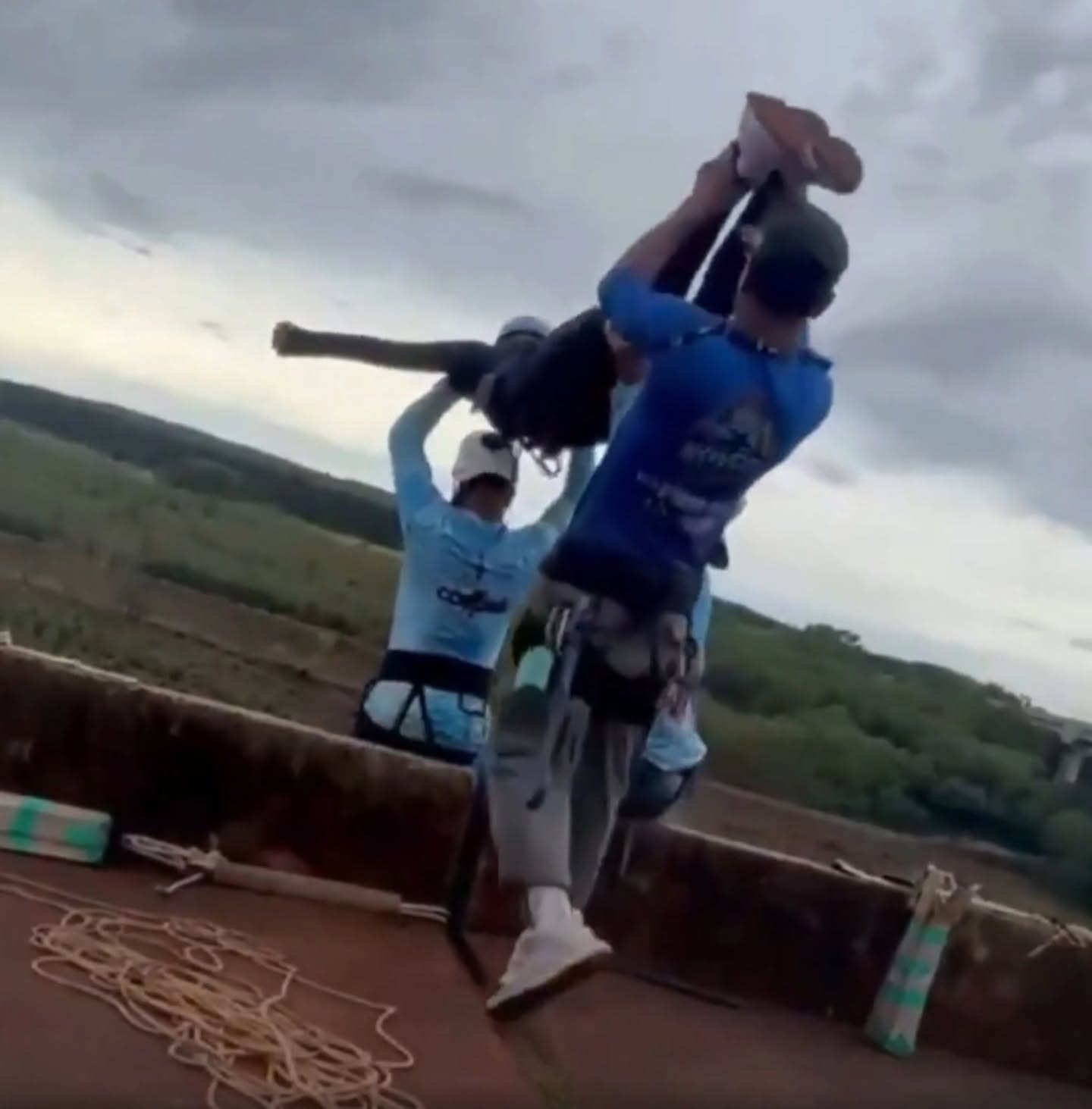
Former adventure sports instructors say proper operations typically require multiple independent checks by trained staff before a participant is cleared to jump. These systems are intended to eliminate exactly the type of mistake investigators now believe may have occurred.
Meanwhile, family members and friends continue mourning Maria’s death. Loved ones describe her as a vibrant young woman whose life was cut tragically short during an activity that should have been carefully controlled and professionally supervised.
Across social media, thousands of people have expressed shock after learning details of the incident. Many users have questioned how someone could allegedly be allowed to proceed without proper safety equipment while participating in an activity specifically built around risk management.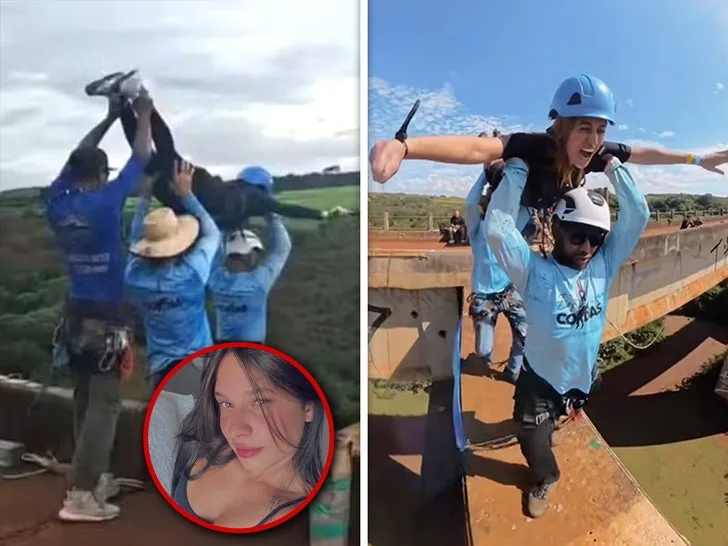
Authorities have urged the public to allow the investigation to proceed while forensic teams continue analyzing evidence. Officials say the findings will help determine whether criminal negligence, procedural violations, or other factors directly contributed to Maria’s death.
As the legal process moves forward, the case has become one of Brazil’s most closely watched investigations, with many people demanding answers about how a recreational activity transformed into a fatal tragedy.
For now, investigators continue piecing together the final moments before the jump — and searching for the answer to the question that continues haunting the public:
How could a safety activity end in such a preventable loss of life?