
For more than 100 years, South Africa’s Kruger National Park has stood as one of the world’s most iconic safari destinations — a place where tourists from America and Europe could experience untamed wilderness while still believing they were protected by modern security systems, trained rangers, and carefully controlled travel routes.
Families traveled there to photograph elephants crossing dusty roads at sunrise.
Retirees saved for years to witness lions moving through golden grasslands beneath the African sunset.
Travel companies sold Kruger as the perfect balance between danger and safety — wild enough to feel thrilling, secure enough to trust with your life.
But tonight, after the horrifying deaths of retired couple Ernst Marais, 71, and his wife Dina, 73, that image is beginning to collapse.
Because investigators now believe the couple did not fall victim to nature.
They walked directly into what forensic teams suspect was a calculated cross-border ambush hidden deep inside one of Africa’s most famous protected reserves.
And the details emerging from the crime scene are raising terrifying questions about what may truly exist inside the dense bushlands surrounding Kruger National Park.
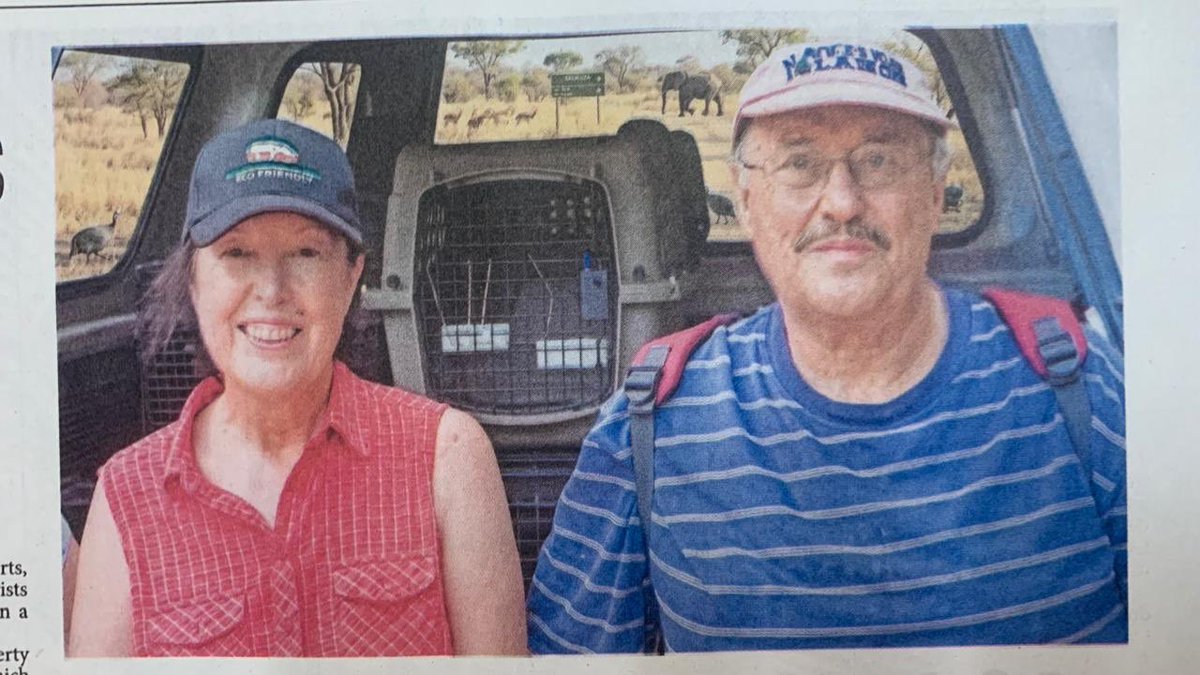
The Vacation They Waited Years to Take
Friends describe Ernst and Dina as gentle, adventurous retirees who spent years planning their dream safari.
Like thousands of Western tourists every year, the couple viewed South Africa as the ultimate destination for wildlife photography and retirement travel.
According to reports, they entered Kruger National Park carrying expensive camera equipment and planned several days exploring remote scenic routes famous for elephant herds, river crossings, and rare predator sightings.
The trip represented freedom after decades of work.
Their families reportedly followed the journey through photos and messages sent from inside the reserve during the early stages of the safari.
Everything appeared peaceful.
Everything appeared normal.
Then communication suddenly stopped.
The Day They Vanished
Investigators believe Ernst and Dina left their lodging during daylight hours for what should have been an ordinary photography excursion through one of the park’s scenic northern sectors.
But they never returned.
At first, park officials reportedly assumed routine travel delays.
Inside large wilderness reserves, tourists often lose signal coverage or encounter roadblocks caused by wildlife movement.
But concern escalated after repeated attempts to contact the couple failed.
When search teams finally located their last known area, investigators reportedly discovered evidence suggesting something deeply disturbing had occurred.
The Scene That Immediately Raised Alarm
According to early reports, the couple’s belongings remained largely untouched.
Photography gear, personal items, and supplies were still present near the area they had last visited.
To investigators, the scene did not resemble a wildlife attack.
Nor did it resemble tourists accidentally wandering off course.
Instead, forensic teams reportedly identified signs indicating a targeted human confrontation.
And as the investigation expanded, the case quickly evolved from a missing persons search into something far darker.
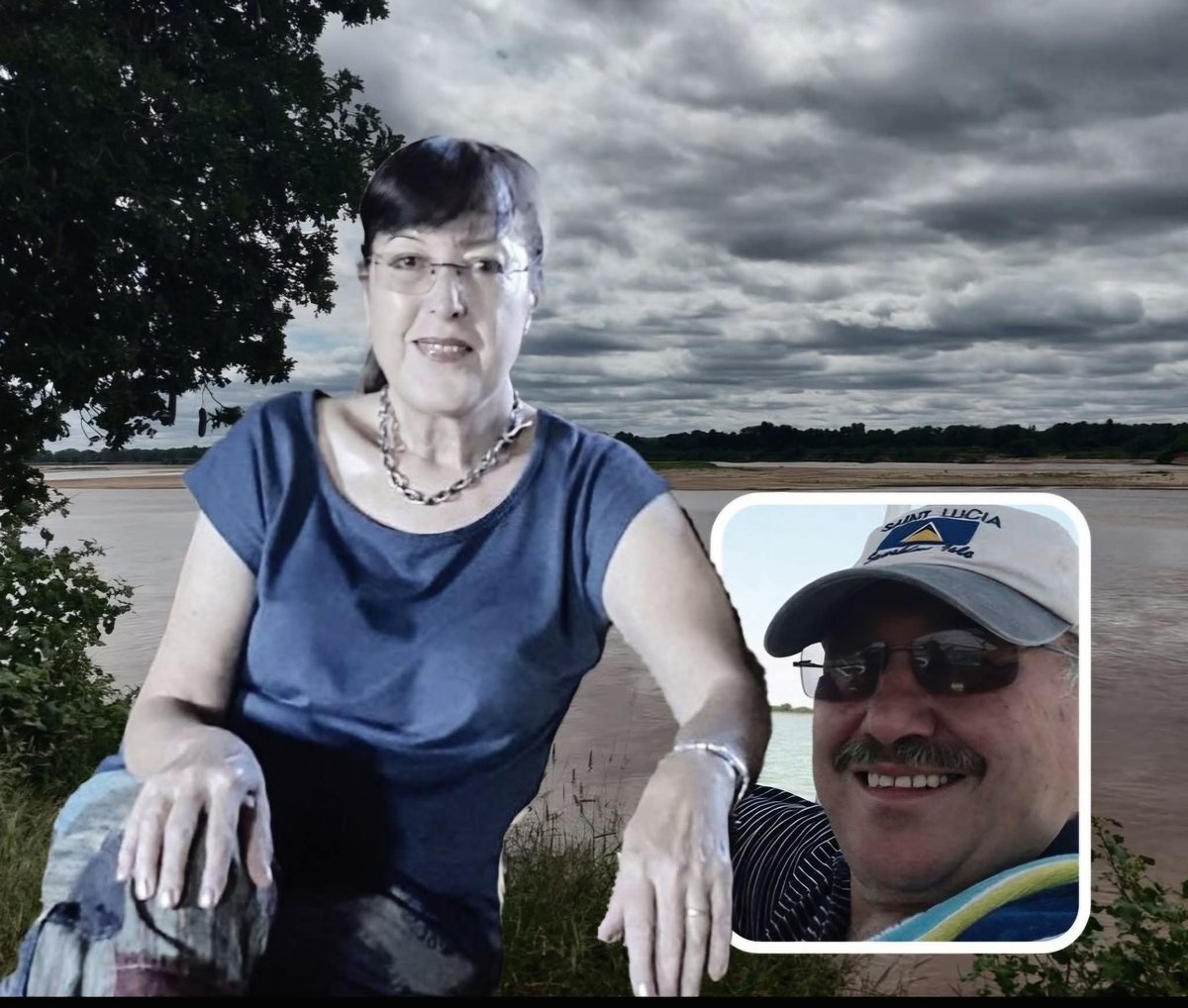
The Discovery at the Remote Riverbank
Days later, after a massive search operation involving helicopters, rangers, and tracking units, authorities reportedly traced evidence toward a remote riverbank near Crooks Corner — one of the most infamous border zones in southern Africa.
What they discovered there horrified investigators.
Authorities confirmed foul play.
According to reports, Ernst and Dina had been restrained before being abandoned in predator-heavy waters.
The location itself immediately alarmed security experts.
Because Crooks Corner has carried a dangerous reputation for generations.
Positioned near the convergence of South Africa, Mozambique, and Zimbabwe, the isolated region has historically been associated with poaching syndicates, smuggling corridors, fugitives, and cross-border criminal operations capable of disappearing into wilderness terrain almost undetected.
Local guides know the stories.
Former anti-poaching rangers know the risks.
And now investigators fear the elderly couple unknowingly crossed paths with something operating deep within those hidden networks.
Why Investigators Believe It Was a Trap
Forensic analysts reportedly found evidence suggesting the couple was intentionally intercepted rather than randomly attacked.
According to investigative sources, the scene indicated planning and control.
Security experts believe the perpetrators likely targeted the couple’s vehicle — a Ford Ranger 4×4 highly valuable for wilderness movement across rough terrain and border routes.
Unlike ordinary city vehicle theft, stealing a 4×4 inside Kruger National Park requires knowledge of ranger patrol patterns, escape corridors, and difficult bush terrain.
That is one reason authorities now suspect the involvement of organized criminal groups already familiar with cross-border operations inside the reserve.
Some investigators reportedly believe the attackers may have deliberately isolated the couple in remote terrain before carrying out the ambush.
If true, it would suggest coordination rather than opportunistic violence.
And that possibility is deeply alarming.
The Tire Tracks Leading Into Mozambique
But the most shocking revelation came after tracking teams began following the missing Ford Ranger’s escape route.
According to reports, the vehicle never exited Kruger National Park through any official checkpoint.
There was no electronic gate record.
No monitored departure.
No standard border crossing.
Instead, investigators reportedly followed tire tracks cutting directly through dense bushland toward the Mozambique border.
Those tracks allegedly destroyed sections of the international border fence during the escape.
For security analysts, this detail changed the entire nature of the investigation.
Because it suggested the perpetrators possessed detailed knowledge of vulnerable border sectors and knew exactly how to bypass surveillance systems designed to protect tourists.
This was not reckless panic.
The route appeared deliberate.
Calculated.
Experienced.
And possibly connected to underground trafficking or poaching syndicates already moving through the region.
The Hidden Crisis Behind the Safari Industry
For years, security experts have quietly warned about the growing overlap between wildlife tourism zones and organized cross-border criminal activity throughout southern Africa.
Rhino horn trafficking alone has fueled violent syndicates worth millions of dollars.
Former anti-poaching personnel have described armed groups moving through wilderness corridors using military-style tactics, encrypted communications, and hidden navigation routes.
Some rangers have even reported firefights deep inside remote bush sectors near international boundaries.
Authorities have invested heavily in anti-poaching operations, drone surveillance, ranger patrols, and border fencing.
But critics argue the reserve’s sheer size makes total control nearly impossible.
Kruger National Park stretches across thousands of square miles of difficult terrain.
And hidden inside that wilderness are remote sectors where visibility disappears beneath thick bushland and response times become dangerously slow.
Now, after the deaths of Ernst and Dina Marais, fears are growing that ordinary tourists may have unknowingly traveled near active criminal movement corridors.
Why This Story Is Terrifying International Travelers
The psychological impact of the case has spread rapidly across travel communities in the United States and Europe.
Because safari tourism is built on one powerful promise:
Adventure without losing safety.
Tourists willingly enter lion territory because they trust the systems protecting them from human threats.
But the Marais case has shattered that sense of certainty for many travelers.
Online forums are now filled with difficult questions:
How could criminals move through the reserve without immediate detection?
Why did border systems fail to stop the escape?
Were authorities already aware of hidden security vulnerabilities?
And perhaps most disturbing of all:
How many similar incidents never became international headlines?
Travel analysts warn that stories involving elderly tourists often trigger especially powerful emotional reactions because they symbolize vulnerability, innocence, and trust.
Ernst and Dina were not thrill-seekers chasing danger.
They were retirees pursuing a lifelong dream.
That is why the story continues spreading worldwide.
Local Voices Claim the Reality Is Worse
While official statements continue emphasizing that millions of tourists safely visit South Africa every year, some local insiders claim the situation surrounding remote border sectors has been underestimated for years.
Former security personnel have repeatedly warned about porous border zones near Crooks Corner.
Others argue that tourism interests often avoid openly discussing criminal risks tied to wilderness corridors near international boundaries.
Authorities have not publicly confirmed organized syndicate involvement in the Marais case.
But the tactical evidence reportedly discovered at the scene continues fueling speculation among investigators and security analysts alike.
The Questions That Still Remain
Tonight, investigators are still reconstructing the couple’s final hours.
The untouched belongings.
The isolated photography route.
The restraints.
The predator-heavy waters.
The crushed border fence.
The disappearing Ford Ranger.
Every clue points toward a level of planning that investigators are struggling to ignore.
And until authorities fully explain how such an operation unfolded inside one of Africa’s most famous safari destinations, the fear surrounding Kruger National Park will continue growing.
Because for Ernst and Dina Marais, the dream vacation they spent years preparing for ended not with memories of wildlife and wonder —
but with a horrifying mystery now exposing what many fear may be one of the safari industry’s darkest hidden vulnerabilities.
And for travelers preparing African vacations tonight, one chilling question remains impossible to escape:
If organized criminals can move this freely through protected tourist territory, what else has been happening in the bushlands that visitors were never supposed to see?