
For Ernst and Dina, the trip was supposed to be the beginning of the happiest chapter of their lives.
After decades of work, responsibility, and raising a family, the elderly couple finally decided it was time to fulfill the dream they had carried for years: an unforgettable African safari through the legendary wilderness of South Africa.
Like millions of travelers across the globe, they were drawn to the breathtaking beauty of Kruger National Park—a place known for roaming lions, towering elephants, endless sunsets, and once-in-a-lifetime wildlife encounters.
But somewhere inside the remote borderlands surrounding the park, that dream transformed into a nightmare so horrifying it is now sending shockwaves across the international travel community.
Authorities say Ernst, 71, and Dina, 73, were discovered dead near a crocodile-infested river after mysteriously vanishing during their safari journey.
Investigators believe the couple was tied up, violently attacked, and stabbed before being abandoned in the wilderness.
Their truck disappeared without a trace.
Police now suspect the elderly tourists may have unknowingly crossed paths with heavily armed poachers connected to dangerous cross-border trafficking operations near the Mozambique frontier.
And as the investigation deepens, millions of travelers are asking the same terrifying question:
How safe are the world’s most famous safari destinations really?

The Dream Vacation They Waited Years to Take
Friends and family describe Ernst and Dina as deeply devoted to each other.
Even in their seventies, they remained adventurous, energetic, and eager to experience the world together.
Retirement gave them the opportunity they had spent decades planning for.
According to relatives, the safari journey represented more than a vacation.
It was a celebration of life.
The couple reportedly spent months researching lodges, safari routes, wildlife photography opportunities, and scenic drives through Kruger National Park.
The reserve is one of Africa’s most famous wildlife destinations and attracts millions of tourists every year from the United States, Europe, and around the world.
Travel advertisements portray Kruger as paradise: peaceful wilderness untouched by modern chaos.
For Ernst and Dina, it seemed like the perfect destination.
“They were so excited,” one family member reportedly shared. “This was something they had dreamed about forever.”
In the early days of the trip, the couple sent photos home showing smiling faces, safari landscapes, and incredible wildlife encounters.
Everything appeared perfect.
Then suddenly, the updates stopped.
The Silence That Turned Into Fear
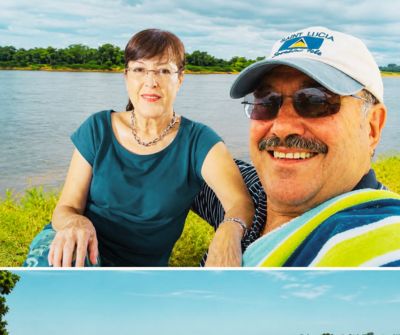
According to investigators, the couple was last seen traveling through a remote region near Kruger’s eastern border area.
The terrain stretches toward Mozambique and includes isolated wilderness zones with limited infrastructure and surveillance.
When relatives stopped hearing from Ernst and Dina, they initially assumed cellphone coverage inside the reserve was unreliable.
But as hours passed, concern began escalating rapidly.
Calls went unanswered.
Messages remained unread.
Lodge personnel reportedly became alarmed after the couple failed to arrive at a scheduled destination later that evening.
A major search operation was launched involving local police, park rangers, aerial units, and experienced tracking teams.
What investigators eventually discovered stunned even veteran officers.
The Horror Hidden Near the River
Search crews reportedly located evidence of a violent struggle near a muddy riverbank known for dangerous crocodile activity.
Authorities found personal belongings scattered across the scene.
Hours later, Ernst and Dina’s bodies were recovered from nearby waters.
Preliminary findings suggest the victims had been restrained before suffering fatal stab wounds.
Investigators believe the attackers deliberately dumped the bodies near the crocodile-infested river in an attempt to conceal evidence and erase traces of the crime.
The brutality shocked investigators.
“This was extremely violent,” one source close to the case reportedly stated. “The attackers appeared determined to leave no witnesses.”
Meanwhile, the couple’s truck had completely vanished.
At first, authorities considered robbery as a possible motive.
But new discoveries soon pointed investigators toward a much darker possibility.
The Criminal World Hidden Behind Safari Tourism
To most tourists, Kruger National Park symbolizes beauty, adventure, and wildlife conservation.
But security experts warn that parts of the region surrounding the South Africa–Mozambique border have become deeply connected to organized poaching syndicates and illegal trafficking networks.
Rhino horn trafficking alone generates enormous profits on the international black market.
Former anti-poaching personnel describe remote border sectors as extremely dangerous after dark.
Heavily armed groups reportedly move through hidden wilderness corridors carrying assault rifles, GPS systems, satellite phones, and machetes.
Violent confrontations between poachers and anti-poaching units have become increasingly common in recent years.
Some criminal organizations are believed to maintain international trafficking connections far beyond Africa.
Investigators now suspect Ernst and Dina may have accidentally encountered individuals involved in this hidden criminal ecosystem.
Authorities believe the couple unknowingly crossed paths with armed poachers operating near the border region during illegal activity.
And investigators fear that encounter may have sealed their fate within moments.
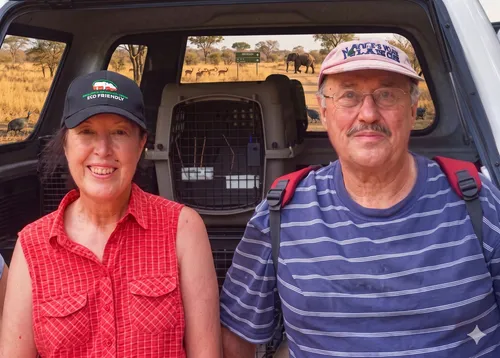
The Border Escape That Changed the Investigation
The case took another disturbing turn after tracking specialists uncovered evidence suggesting the killers never used official roads or monitored park exits after the murders.
Authorities reportedly located tyre marks leading toward damaged fencing near the Mozambique border.
Investigators now believe the attackers drove the stolen truck directly through the barriers before disappearing into remote wilderness territory beyond South African jurisdiction.
The discovery transformed the investigation into a major cross-border organized crime case.
Security experts say the escape route suggests planning, coordination, and familiarity with smuggling pathways used by poaching syndicates.
“This does not appear random,” one regional crime analyst reportedly explained. “The movement pattern suggests experienced individuals who knew the terrain very well.”
Law enforcement agencies are now reportedly coordinating across borders while attempting to identify suspects connected to known trafficking operations.
Despite growing international attention, no arrests have yet been publicly announced.
Global Fear and Growing Questions
As details surrounding the murders spread online, fear exploded throughout the international travel community.
Travel forums and social media groups filled with shocked reactions from tourists who previously viewed safari vacations as peaceful luxury experiences.
Many admitted they never realized organized criminal groups operated so close to major tourist destinations.
“This is terrifying,” one traveler wrote online. “You think you’re going to paradise, not into the middle of a criminal war.”
Travel agencies reportedly received immediate concerns from clients planning future safari trips to Southern Africa.
Tourism experts warn the case could damage international confidence if authorities fail to reassure travelers quickly.
Wildlife tourism contributes billions of dollars annually to South Africa’s economy, with Kruger National Park standing among the country’s most internationally recognized attractions.
Officials continue emphasizing that attacks involving tourists remain relatively uncommon.
However, security specialists warn the murders expose dangerous vulnerabilities in isolated border regions where tourism and organized crime increasingly overlap.
A Family Destroyed by Grief
While investigators search for answers, Ernst and Dina’s children are now living through unimaginable heartbreak.
Family members describe the couple as loving parents and grandparents who dedicated their lives to family, loyalty, and shared adventure.
“They loved each other deeply,” one relative reportedly shared. “They should have been safe.”
The horrifying details surrounding the murders continue haunting the family.
Did Ernst and Dina know they were in danger?
Did they try to protect each other?
Did they suffer during their final moments in the wilderness?
Their children are now publicly pleading for justice while urging authorities not to allow the investigation to disappear from international attention.
The Dangerous Reality Many Travelers Never See
Security experts say the murders highlight growing risks facing international tourists pursuing remote adventure travel.
Many visitors assume safari reserves and national parks are isolated from violent crime.
But enormous wilderness regions remain difficult to monitor continuously.
Criminal groups exploit hidden border crossings, isolated roads, and weak infrastructure far away from major tourist centers.
Experts advise travelers to avoid remote routes, remain informed about regional safety conditions, and maintain regular communication with guides or lodges.
But critics argue tourists are often never fully informed about the realities surrounding certain border sectors.
“The tourism industry sells the dream,” one travel security consultant explained. “What many travelers never see is the criminal infrastructure operating behind the scenes.”
Paradise Hiding a Dark Secret
Every year, millions of tourists continue arriving in South Africa searching for breathtaking wildlife experiences and unforgettable adventures.
Most return home with photographs of lions, elephants, and endless African sunsets.
But hidden beyond those postcard images lies another world.
A world of armed traffickers moving silently through the wilderness.
A world of poaching syndicates and hidden smuggling routes.
A world where organized criminal networks operate beyond the sight of ordinary tourists.
Somewhere within that darkness, investigators believe the people responsible for Ernst and Dina’s deaths may still be hiding.
And until they are found, one chilling question will continue haunting both the investigation and travelers around the world:
What exactly did Ernst and Dina stumble upon before their dream safari became a slaughterhouse?